Matchups and Playing Style – The Key to Predicting How a Tennis Match Will Unfold

Matchups and Playing Style – The Key to Predicting How a Tennis Match Will Unfold
When two tennis players step onto the court, the outcome isn’t determined solely by rankings or recent results. What often decides the match is how their playing styles interact — or clash. This dynamic is known as a matchup. For anyone trying to understand or predict how a tennis match will unfold, analyzing the matchup is often the most revealing starting point.
What Is a Matchup?
A matchup describes how one player’s strengths and weaknesses align with another’s. A big-serving power hitter might dominate against a defensive baseliner but struggle against a quick returner who thrives on redirecting pace. It’s not just about who is “better” overall, but about who is better suited to the specific opponent across the net.
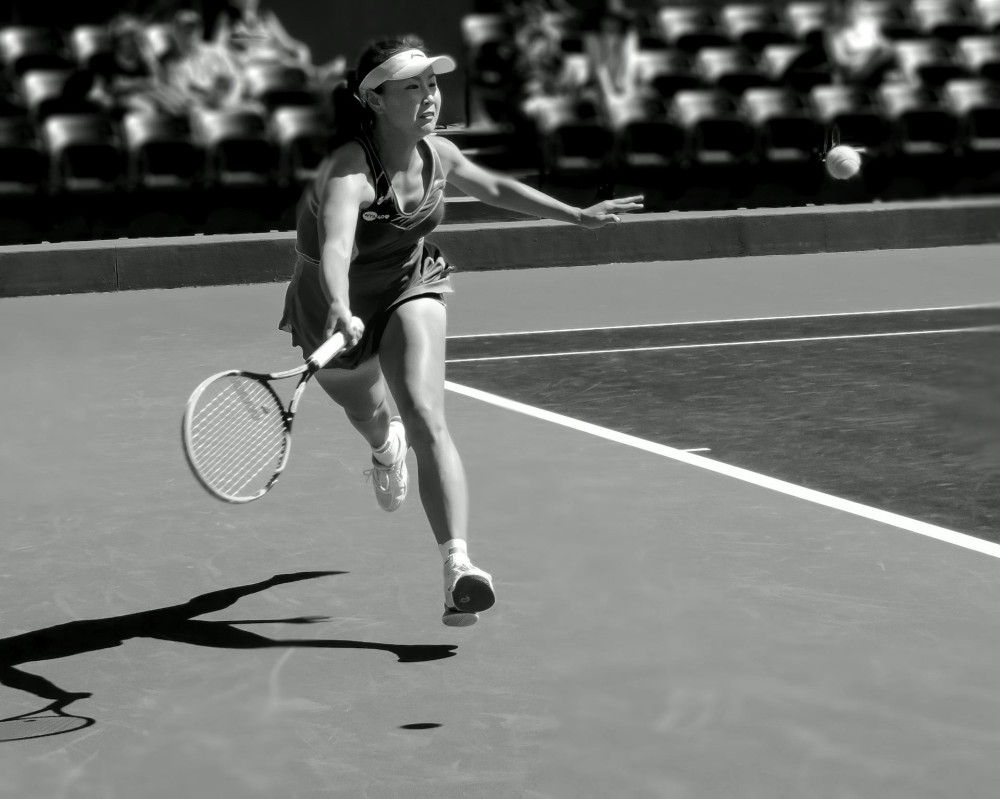
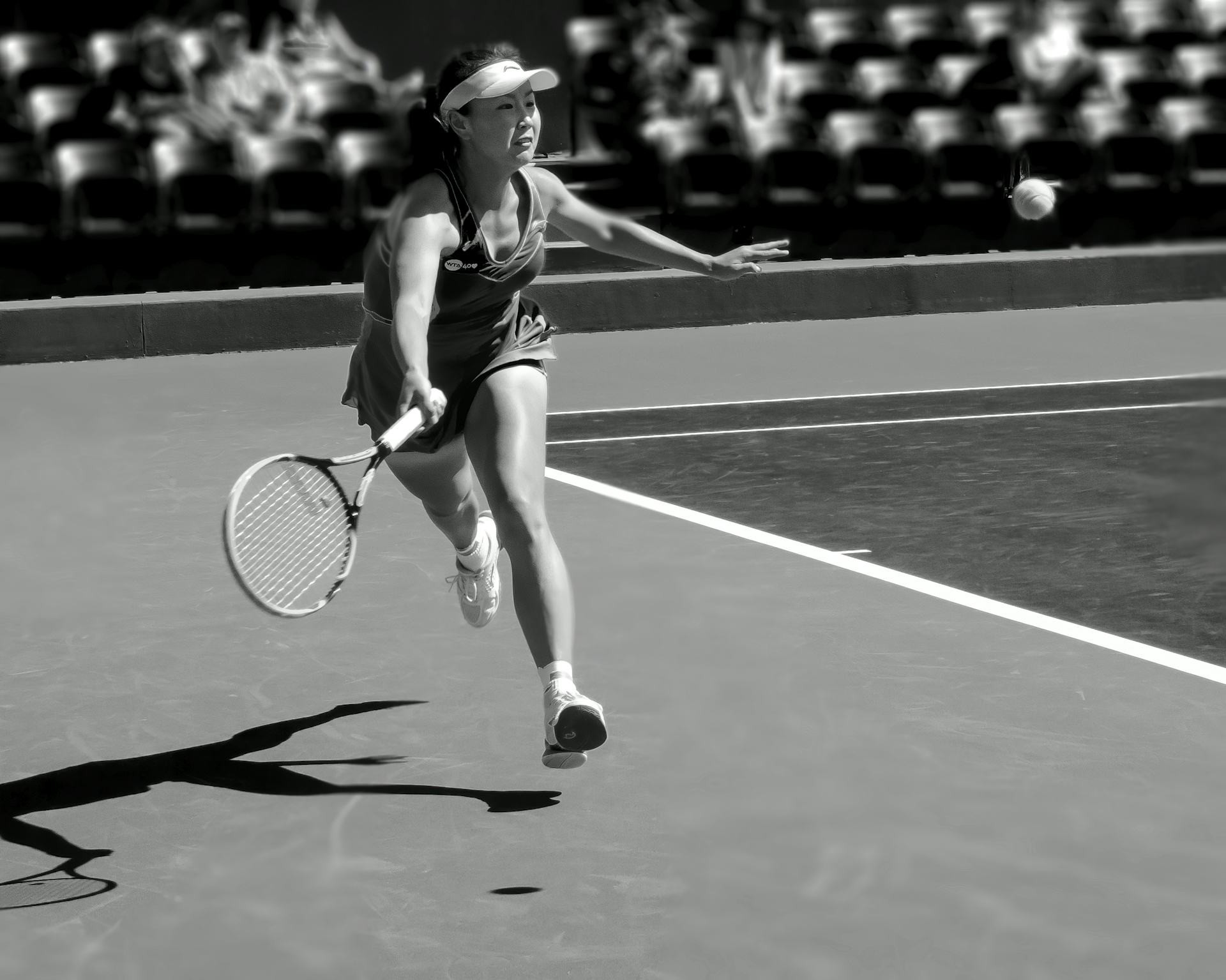
A classic example is the contrast between the aggressor and the counterpuncher. The aggressor looks to dictate play and finish points quickly, while the counterpuncher absorbs pressure and forces errors through consistency. In these encounters, small tactical adjustments — like changing serve placement or varying rally tempo — can completely shift the momentum.
The Role of the Surface
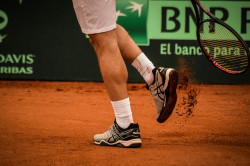
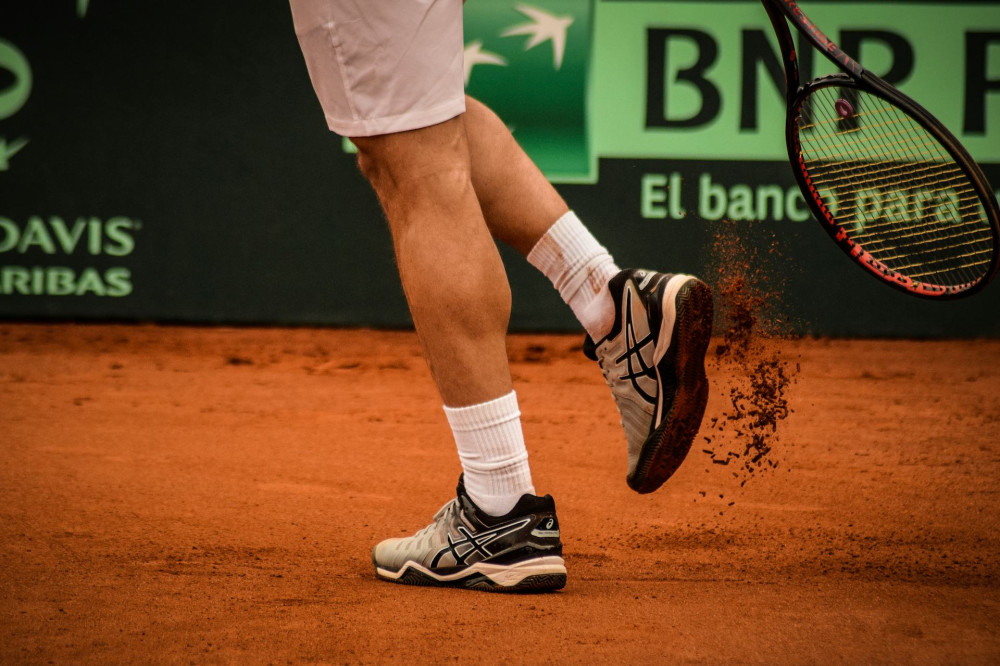
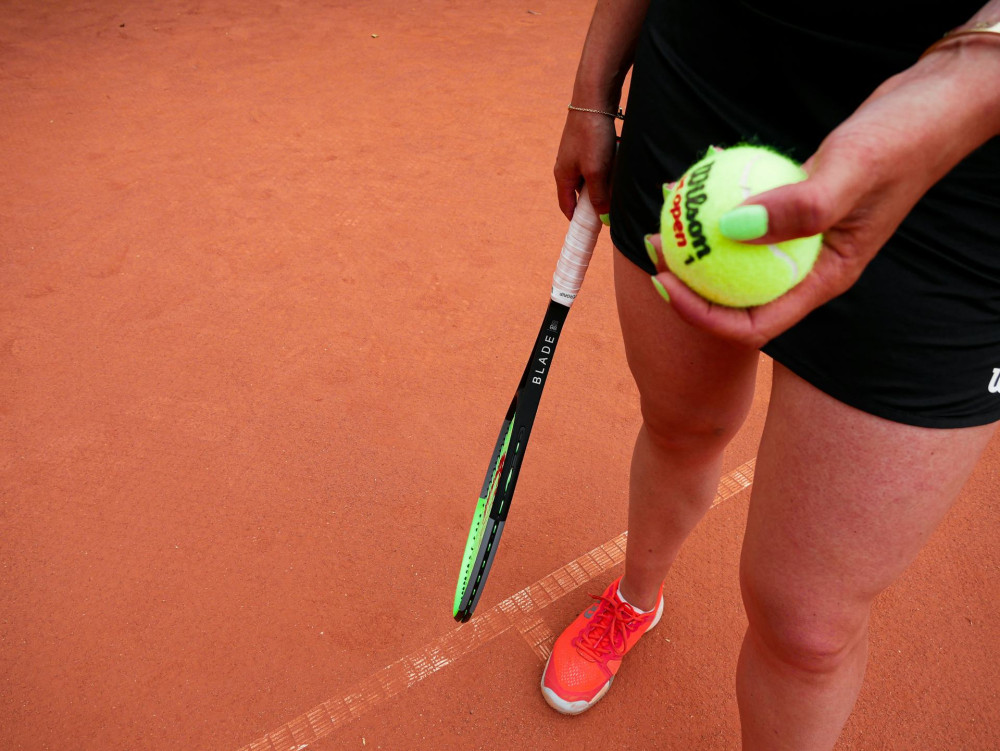
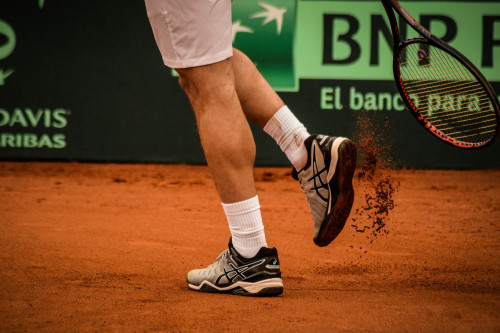
The court surface is a crucial factor in how a matchup plays out. Clay courts slow the ball and produce higher bounces, favoring players with patience, endurance, and strong movement. Grass courts, on the other hand, are fast and low-bouncing, rewarding players with big serves and sharp volleys. Hard courts fall somewhere in between, but even they vary significantly depending on the tournament and conditions.
When analyzing a match, it’s essential to ask: Which surface gives each player the edge? A player who dominates on clay may struggle to replicate that success on faster courts, where opponents have more opportunities to attack.
The Building Blocks of Playing Style
To understand a matchup, you need to recognize the main playing styles in tennis. Most players can be placed into one or more of these categories:
- Baseliners – stay behind the baseline, relying on consistency and patience.
- Aggressive baseliners – look to take control early in rallies with powerful groundstrokes.
- Serve-and-volley players – use the serve as a weapon and rush the net to finish points.
- All-court players – blend multiple styles and adapt to the opponent’s tactics.
When two styles meet, the tactical battle begins. An aggressive baseliner might struggle against a player who mixes pace and forces them forward, exposing weaknesses at the net. Conversely, a serve-and-volleyer might find it difficult against a returner who reads serves well and passes with precision.
Statistics and Data – More Than Just Numbers
Modern tennis analysis relies heavily on data. Metrics like first-serve percentage, break point conversion, and winners-to-errors ratio can reveal how a player performs under pressure. But numbers alone don’t tell the full story.
A high first-serve win rate doesn’t automatically mean a player has a dominant serve — it might reflect a weak return game from the opponent. That’s why the best analysts combine statistics with an understanding of playing styles and matchups. Context is everything.
The Mental Game and Momentum
Tennis is as much a mental contest as it is a physical one. Some players thrive in long, tense rallies, while others lose focus when the rhythm changes. A matchup can also hinge on psychological factors: who handles adversity better, and who stays composed when the match tightens?
Momentum swings are a natural part of tennis. A player who loses the first set badly can turn things around by adjusting tactics or simply finding rhythm. For those watching closely, subtle cues — changes in body language, serve timing, or shot selection — often signal a shift in control.
Læs også:

How to Use Matchup Analysis in Practice
For fans, analysts, or bettors trying to predict how a match will unfold, the key is to layer different types of insight:
- Know the players’ strengths and weaknesses. How do they win points, and where are they vulnerable?
- Consider the surface. Which player benefits most from the court’s speed and bounce?
- Review head-to-head history. Do past patterns repeat, or has one player adapted?
- Factor in form and confidence. A player on a winning streak may outperform expectations.
- Watch for momentum shifts. Tennis can turn quickly — recognizing those moments is crucial.
By combining these elements, you can form a realistic picture of how a match is likely to progress — and why.
Conclusion: Tennis as Tactical Chess
Tennis is more than a test of athleticism; it’s a game of strategy, adaptation, and psychology. A matchup is like a chess game, where each player tries to exploit the other’s weaknesses while concealing their own. Those who understand the interplay between style, surface, and mindset can often predict the flow of a match far more accurately than rankings or statistics alone suggest.
Læs også: