Indoor vs. Outdoor: Factors Affecting Match Dynamics in Tennis

Indoor vs. Outdoor: Factors Affecting Match Dynamics in Tennis
Tennis is a sport where even the smallest environmental changes can have a major impact on rhythm, pace, and strategy. The difference between playing indoors and outdoors is not just about comfort or weather—it influences everything from ball speed to mental focus. For both professionals and recreational players, understanding these differences is key to adapting one’s game and making the most of individual strengths.
The Role of the Court Surface – From Fast Floors to Slow Clay
One of the most noticeable distinctions between indoor and outdoor tennis lies in the surface. Indoor courts are typically made of hard acrylic or carpet, producing a faster game with lower bounces. This setup favors players with aggressive styles who rely on quick points through powerful serves and net play.
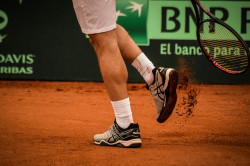
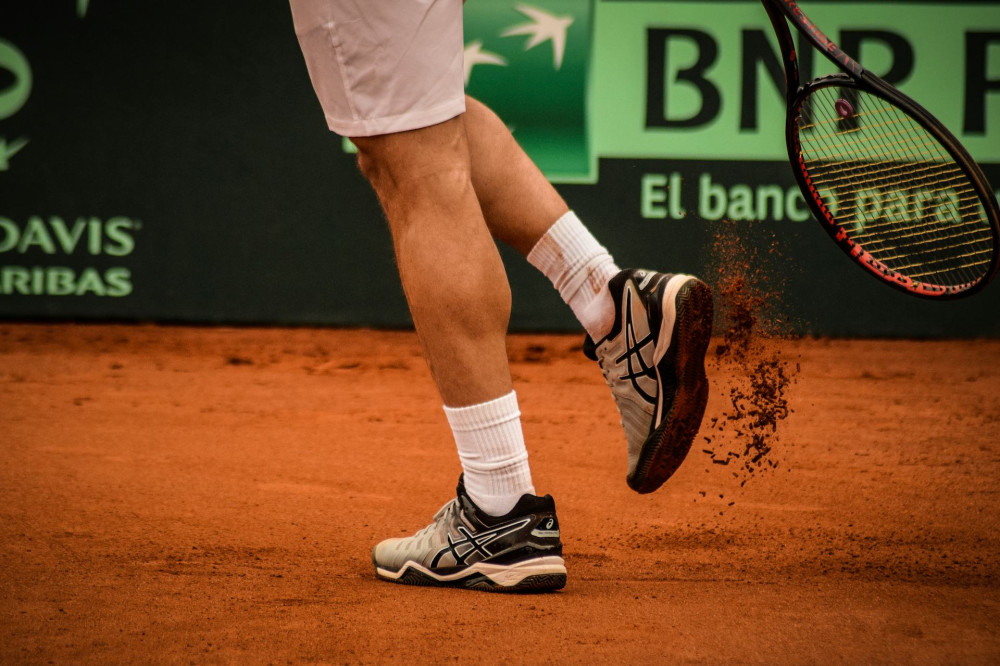
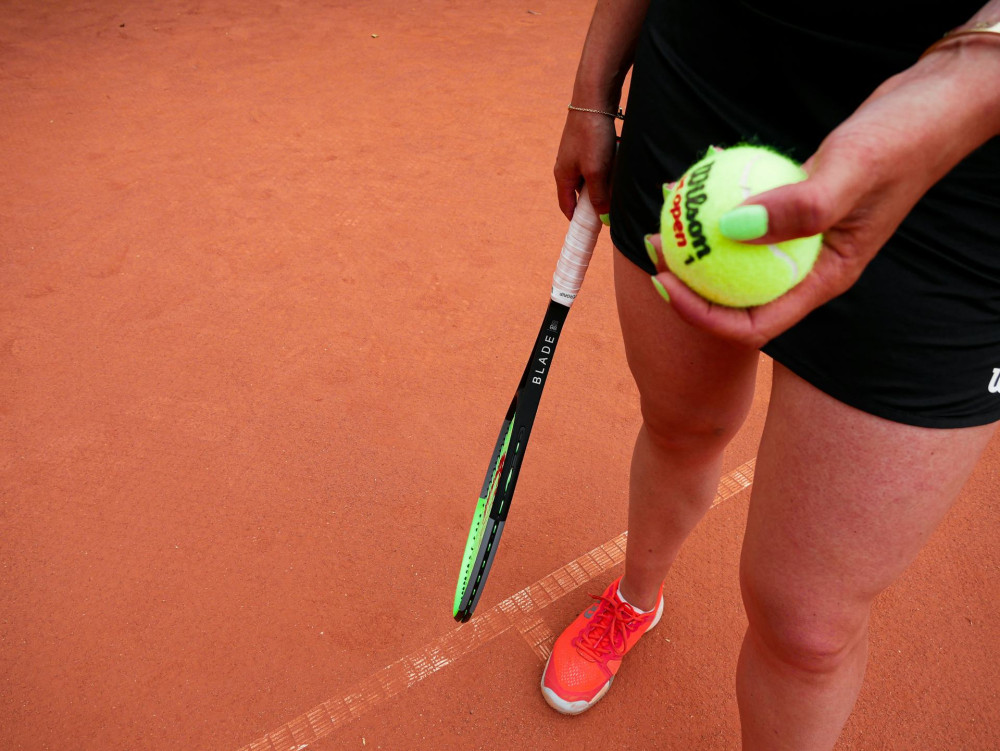
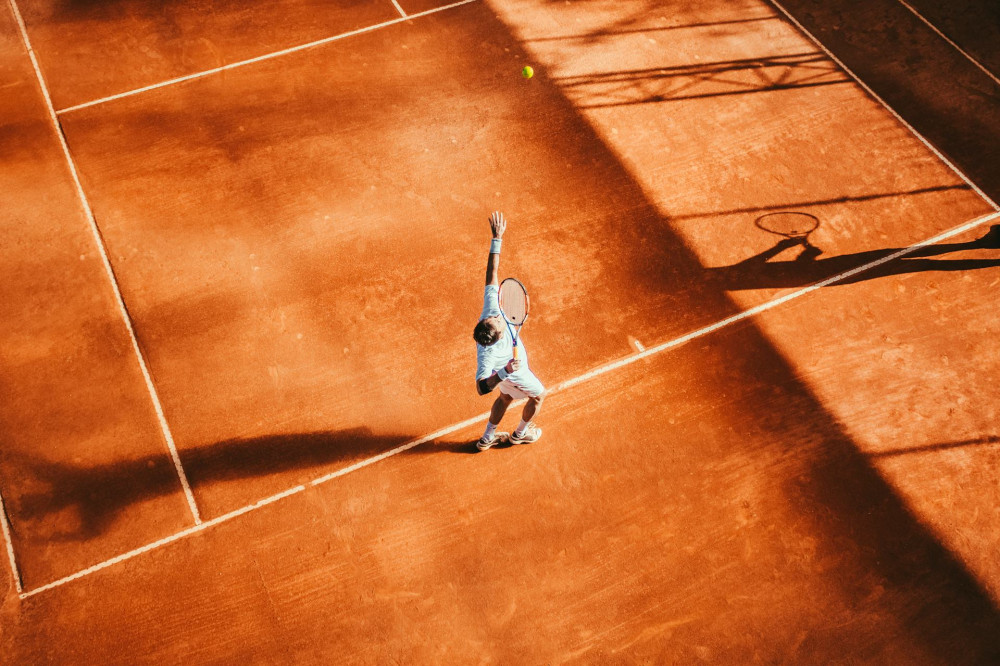
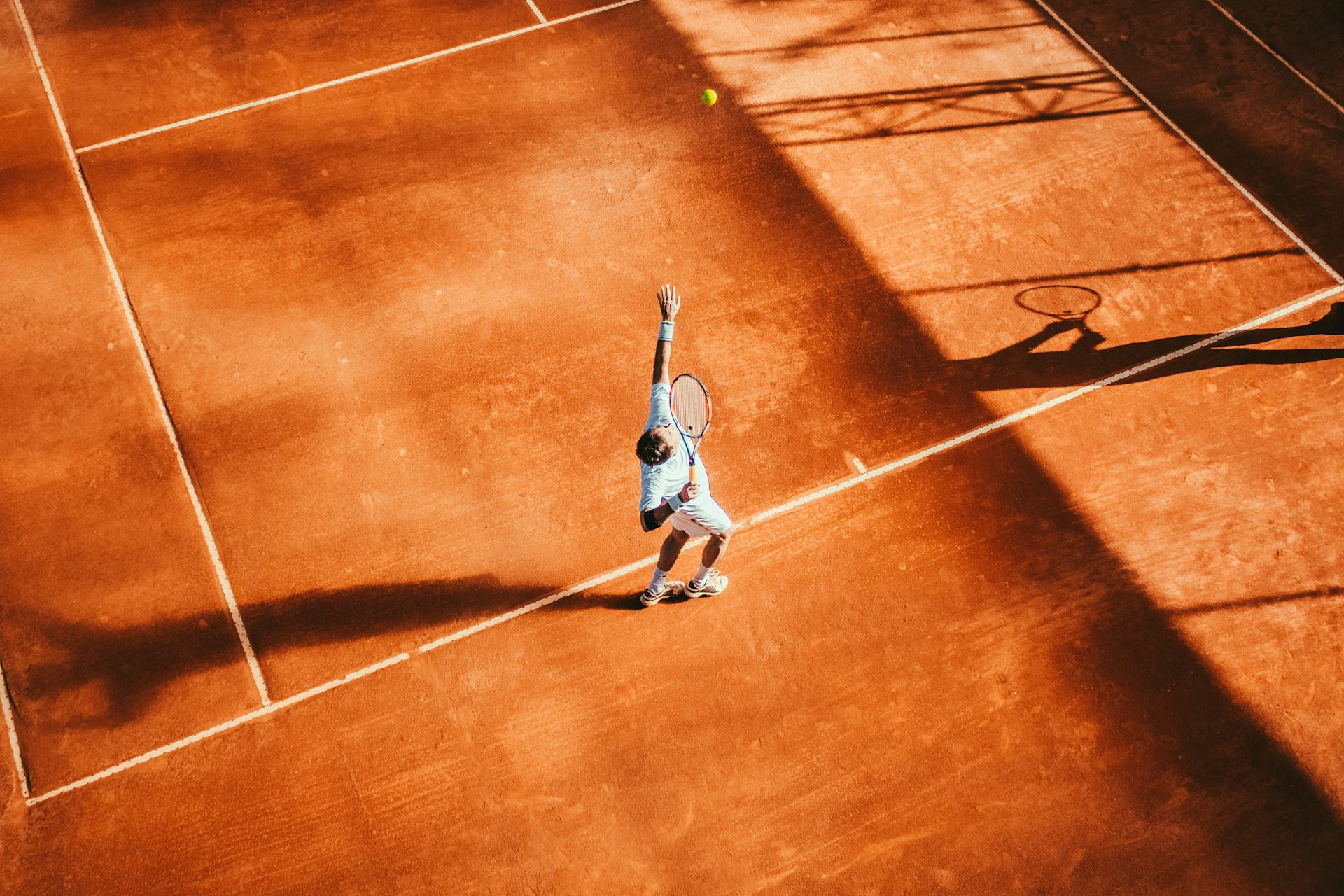
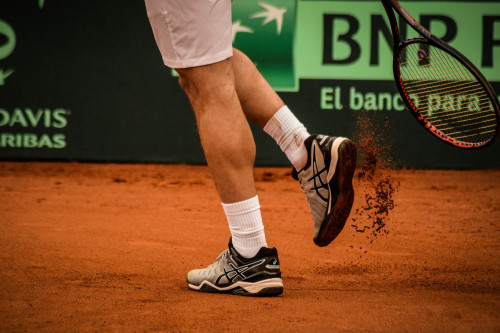
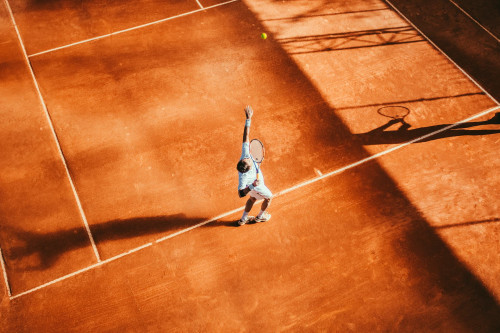
Outdoor courts, on the other hand, vary widely. Clay courts, like those used at the French Open, slow the game down and create longer rallies, rewarding patience and consistency. Grass courts, such as those at Wimbledon, are fast but unpredictable, with low and sometimes erratic bounces. Hard outdoor courts—common across the U.S.—offer a middle ground but are still affected by temperature and wind.
In short, indoor tennis emphasizes precision and speed, while outdoor tennis demands adaptability and endurance.
Weather and Wind – Nature as a Teammate or Opponent
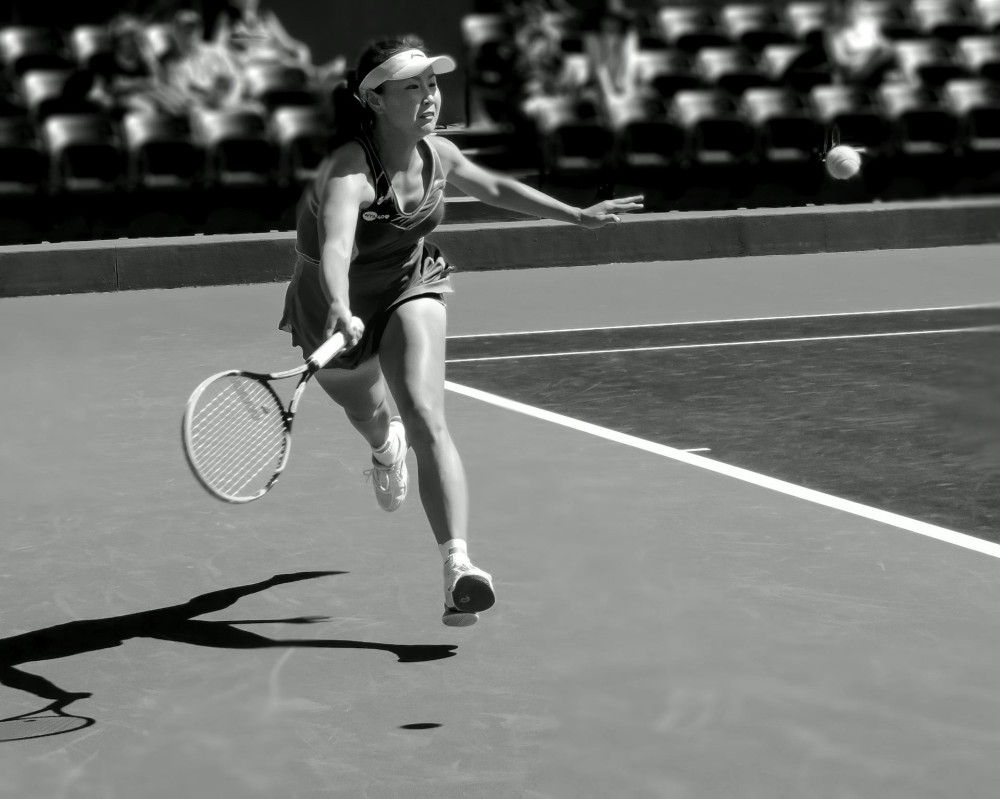
Outdoor tennis is as much a battle against the elements as it is against the opponent. Wind can alter the ball’s trajectory, sunlight can obscure vision, and temperature shifts can affect both ball pressure and player stamina. Even a light breeze can force a player to adjust serve direction or spin control.
Indoors, conditions are stable—no wind, no sun, no sudden rain delays. This consistency makes the game more predictable and technically clean, but also less forgiving. Players who thrive on rhythm and accuracy often excel indoors, while those who can improvise and adapt tend to perform better outdoors.
Light and Sound – The Subtle Sensory Factors
Lighting plays a bigger role than many realize. Outdoors, the sun’s position changes throughout the day, sometimes making it difficult to track the ball. Indoors, lighting is uniform but artificial, which can cause glare or require an adjustment period.
Sound also changes the experience. Indoors, every hit, footstep, and shout echoes, creating a more intense atmosphere. Outdoors, sound dissipates quickly, and the environment feels more open and relaxed. These sensory differences can subtly influence focus and energy levels during a match.
Læs også:
Psychological Differences – Focus and Flexibility
Many players describe indoor tennis as more “intense.” The faster pace and consistent conditions mean that mistakes can’t be blamed on external factors—it’s all about precision and mental sharpness. Outdoor tennis, by contrast, demands patience and acceptance of unpredictability. A gust of wind or an uneven bounce can change a point, testing a player’s composure and adaptability.
As a result, players often develop preferences. Some, like those who excel in controlled environments, prefer indoor tournaments, while others, who thrive on endurance and tactical variation, favor outdoor play.
Strategic Adjustments – When Environment Shapes the Game
Switching between indoor and outdoor play requires more than just a change of shoes. Serves must be adjusted for air resistance, bounce patterns must be read differently, and movement patterns must adapt to the surface. Indoors, taking the ball early and maintaining pressure can be effective, while outdoors, patience and shot variation often pay off.
Coaches encourage players to train in both settings. Doing so builds versatility and prepares them for tournaments where matches may move indoors due to weather or scheduling.
A Sport in Two Worlds
Tennis is one of the few sports where the environment can so dramatically alter the nature of play. Indoors, the game is about control, precision, and tempo. Outdoors, it’s about adaptation, endurance, and strategy. Both forms demand technical skill and mental strength—but in very different ways.
For players and fans alike, this duality is part of what makes tennis so captivating. Every court, every climate, and every arena creates its own version of the game—and it’s in the contrast between these two worlds that the true dynamics of tennis come to life.
Læs også: