Clay Courts and Breaks: Understanding How the Surface Affects Service Breaks in Tennis

Clay Courts and Breaks: Understanding How the Surface Affects Service Breaks in Tennis
When you watch tennis on TV, it can seem like the game is the same whether it’s played in Paris, London, or New York. But the surface beneath the players’ feet has a huge impact on how the match unfolds. It affects not only the speed and bounce of the ball but also how often players lose their serve — what’s known as a service break. In this article, we’ll explore how clay, grass, and hard courts shape the rhythm and strategy of the game, and why that matters to players and fans alike.
Clay: The Slow Surface Where Patience Pays Off
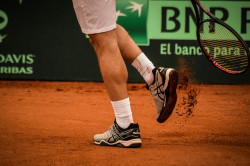
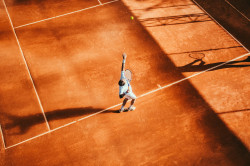
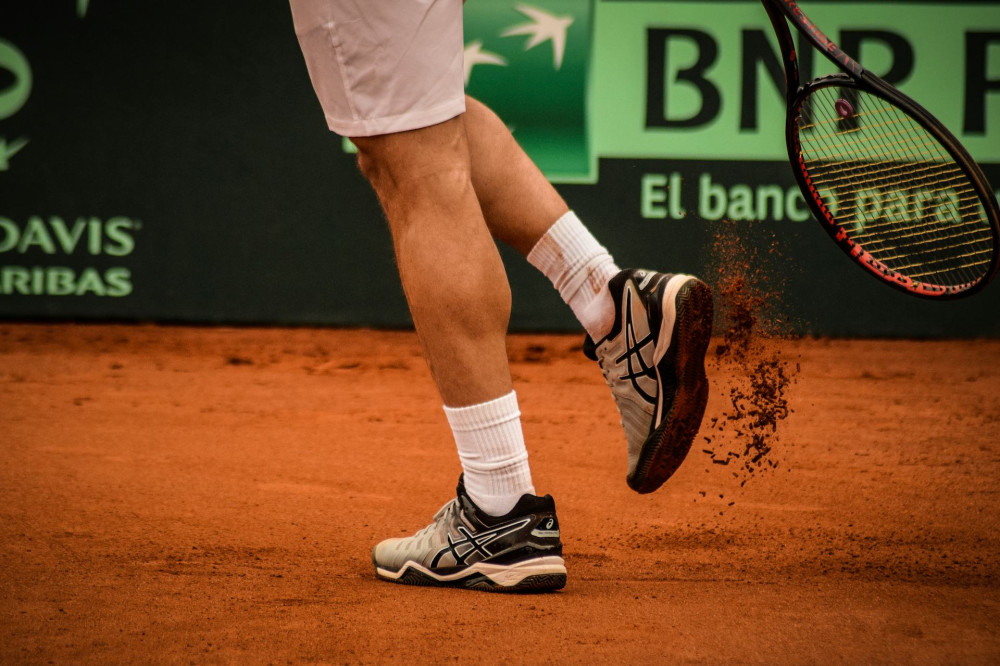
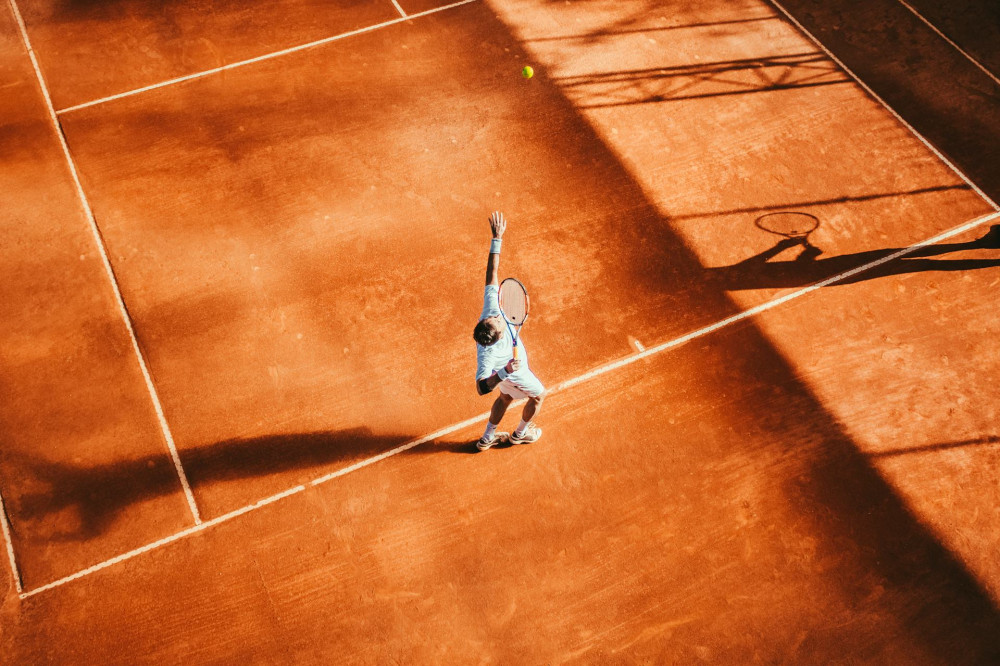
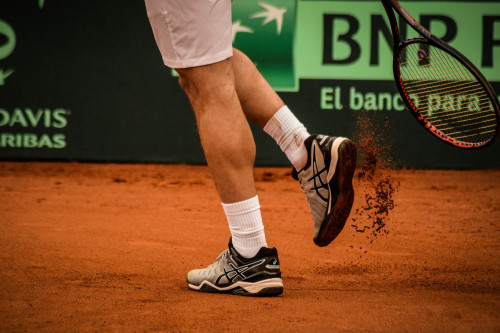
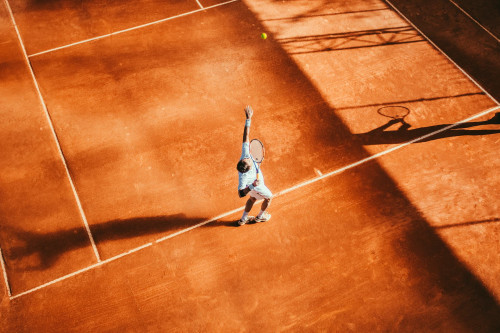
Clay courts, like those at the French Open in Paris, are known for being slow. The ball loses speed when it hits the surface and bounces higher, giving returners more time to react. That means the server’s advantage is reduced, and rallies tend to last longer.
On clay, endurance and consistency are key. Players who rely on heavy topspin and smart court positioning — think of Rafael Nadal’s dominance at Roland Garros — thrive in these conditions. Statistics show that clay courts produce more service breaks than any other surface, often with over 30% of service games being broken.
For players who depend on powerful serves and quick points, clay can be frustrating. But for those who excel in constructing points and wearing down opponents, it’s a surface that rewards strategy and resilience.
Grass: The Fast Game and the Server’s Paradise
At the opposite end of the spectrum are grass courts, most famously seen at Wimbledon. The ball skids quickly across the slick surface and stays low, making it harder for returners to reach. As a result, servers have a clear advantage.
On grass, service breaks are rare, and many matches are decided in tiebreaks because both players hold serve so often. Big servers and players with strong net games — from Pete Sampras in the 1990s to Novak Djokovic today — tend to excel on grass, where aggressive play is rewarded.
However, grass also demands precision. The footing can be tricky, and the surface changes as the tournament progresses and the grass wears down. That means players must constantly adjust their balance, timing, and shot selection.
Læs også:
Hard Courts: The Balanced Middle Ground
Hard courts, used at both the Australian Open and the US Open, sit between clay and grass in terms of speed and bounce. The surface provides a predictable bounce and a moderate pace, giving both servers and returners a fair chance.
On hard courts, service breaks occur less frequently than on clay but more often than on grass. The surface rewards versatility — players who can both attack and defend effectively tend to succeed. That’s one reason why many of the sport’s most complete players, such as Serena Williams and Novak Djokovic, have achieved so much success on hard courts.
Stats and Strategy: Why Surface Matters for Analysis and Fans
For tennis fans — and for those who enjoy analyzing matches or even betting on them — understanding the surface is essential. A player who dominates on hard courts might struggle on clay, where the slower pace neutralizes their serve. Conversely, a defensive player who thrives in long rallies may find grass too fast to establish rhythm.
When analyzing the likelihood of service breaks, the surface is a key variable. A match between two big servers on grass will likely feature fewer breaks than the same matchup on clay. This affects not only the flow of the match but also the tactical decisions players make — when to take risks, when to play safe, and how to manage momentum.
Looking Ahead: Hybrid Surfaces and Player Adaptation
In recent years, tournament organizers have experimented with different surface compositions to create more balanced conditions. Some hard courts have been made slower to encourage longer rallies, while others have been sped up to shorten match times.
Players are adapting too. The best in the world train on multiple surfaces and adjust their tactics throughout the season. This adaptability is part of what makes tennis so compelling — the game constantly evolves depending on where it’s played.
Conclusion: The Surface Shapes the Game
The court surface in tennis is far more than just a backdrop — it’s an active player in the match. It influences speed, tactics, and the likelihood of service breaks. Clay rewards patience and endurance, grass favors aggression and precision, and hard courts demand all-around skill.
For players, coaches, and fans, understanding how the surface affects play offers a deeper appreciation of the sport’s complexity — and maybe even a better sense of when that crucial service break might be just around the corner.
Læs også: