Technology in the Stable: How Data Is Used to Monitor and Optimize Racehorses’ Training and Health

Technology in the Stable: How Data Is Used to Monitor and Optimize Racehorses’ Training and Health
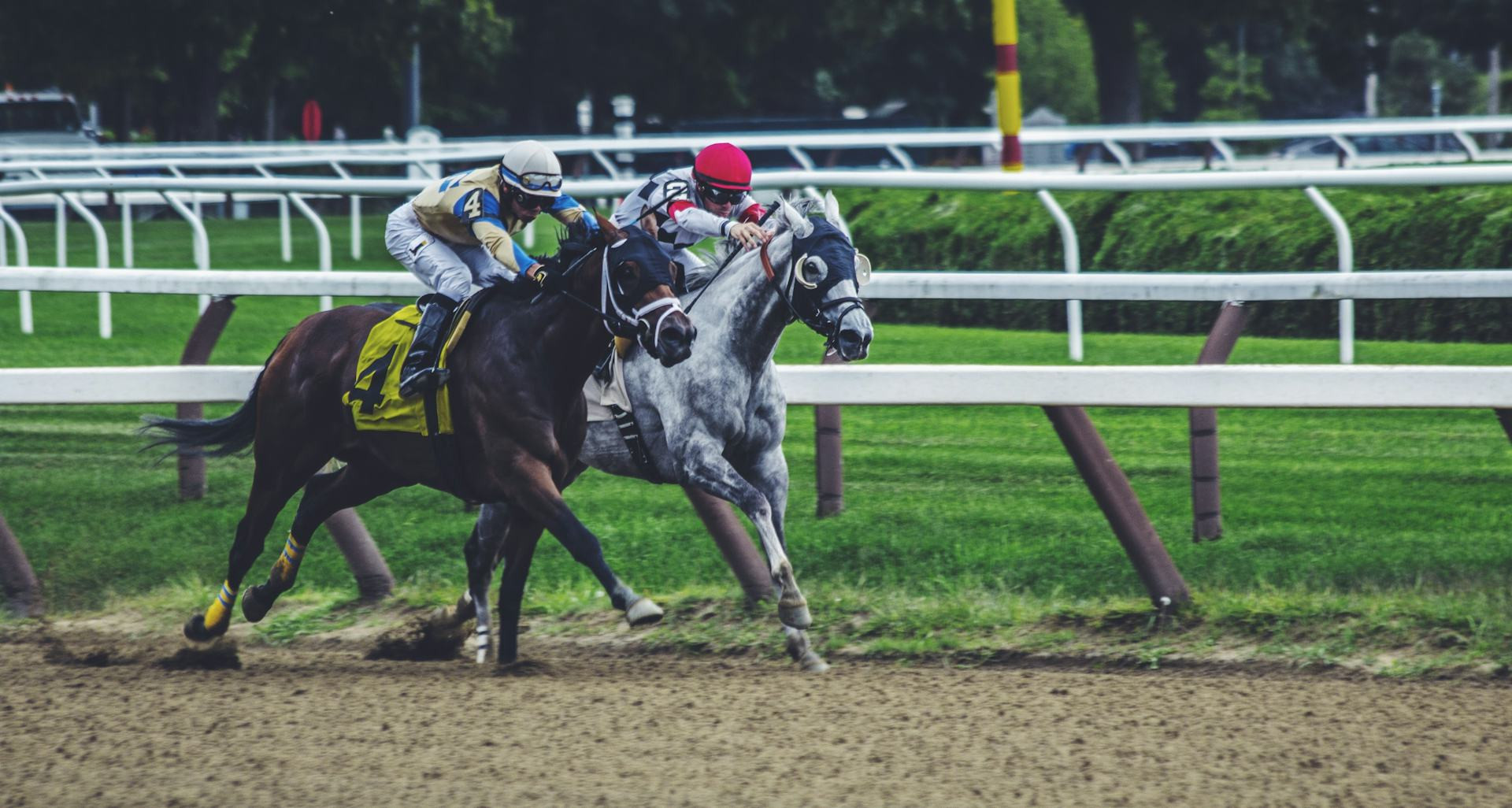
In modern horse racing, intuition and experience still matter—but they are increasingly supported by technology and data. From sensors in saddles to advanced analytics platforms in the barn, digital monitoring has become a key part of managing racehorses. The goal is clear: to optimize performance, prevent injuries, and ensure that horses stay healthy and happy.
From Stopwatch to Sensor
A few decades ago, a trainer’s most important tools were a stopwatch and a keen eye. Today, it’s often a tablet or smartphone that tracks a horse’s performance. Small sensors placed in the saddle, bridle, or girth measure everything from heart rate and stride length to acceleration and recovery time.
These data points are transmitted wirelessly to an app, allowing trainers to monitor progress in real time. If a horse shows signs of fatigue or irregular movement, adjustments can be made immediately—before a minor issue turns into a serious injury.
Data as a Decision-Making Tool
Preparing a horse for competition isn’t just about training hard—it’s about training smart. By analyzing data over time, trainers can identify patterns in performance: When does the horse peak? How does it respond to different track surfaces? How quickly does it recover after intense workouts?
Trainers and veterinarians use this information to tailor training programs to each horse’s individual needs. That can mean the difference between a good performance and a great one—and sometimes between a healthy horse and an injured one.
Everyday Health Monitoring
Technology doesn’t stop when the horse leaves the track. In the barn, sensors and cameras are used to monitor behavior and health. A monitoring system can detect if a horse lies down longer than usual, eats less, or shows signs of restlessness—all potential indicators that something might be wrong.
Some facilities even use thermal imaging cameras to detect early signs of inflammation in the legs before it becomes visible to the human eye. This allows for early intervention and reduces the risk of long-term injury.
The Human–Machine Partnership
While technology offers new possibilities, it doesn’t replace human expertise. A skilled trainer can still sense things no sensor can measure—such as a horse’s mood, motivation, and willingness to work. Data should be seen as a supplement that supports decision-making, not as a substitute for experience.
The best results come when technology and intuition work together—when the numbers confirm what the eye sees, or challenge it in ways that lead to new insights.
Læs også:
The Digital Stable of the Future
The pace of innovation is rapid, and the stables of the future will be even more connected. Artificial intelligence is already being used to analyze large data sets and predict performance trends or injury risks. At the same time, equipment is becoming lighter, more affordable, and easier to use, making advanced technology accessible to smaller training operations as well.
For riders, trainers, and owners, this means decisions can increasingly be based on solid data. And for the horses, it means better training, fewer injuries, and longer, healthier careers on the track.
A New Era for Horse Racing
The arrival of technology in the stable marks the beginning of a new era in horse racing. Where once trainers relied solely on experience and instinct, they can now combine human understanding with the precision of data.
It’s not about making the sport less human—it’s about giving both horse and trainer the best possible foundation to perform at their highest level.
Læs også: