Drivers’ Strategy: How Starting Position, Competitors, and a Horse’s Strengths Influence the Race

Drivers’ Strategy: How Starting Position, Competitors, and a Horse’s Strengths Influence the Race
When the starting gate opens and the horses surge forward, it’s not just speed and power that determine the outcome. Behind every performance lies a carefully crafted strategy, where the driver weighs everything from starting position and competition to the horse’s temperament and condition on the day. Harness racing is as much about tactics as it is about athleticism—and the best drivers are those who can read the race before it even begins.
The Starting Position – Setting the Stage
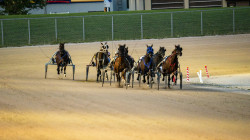
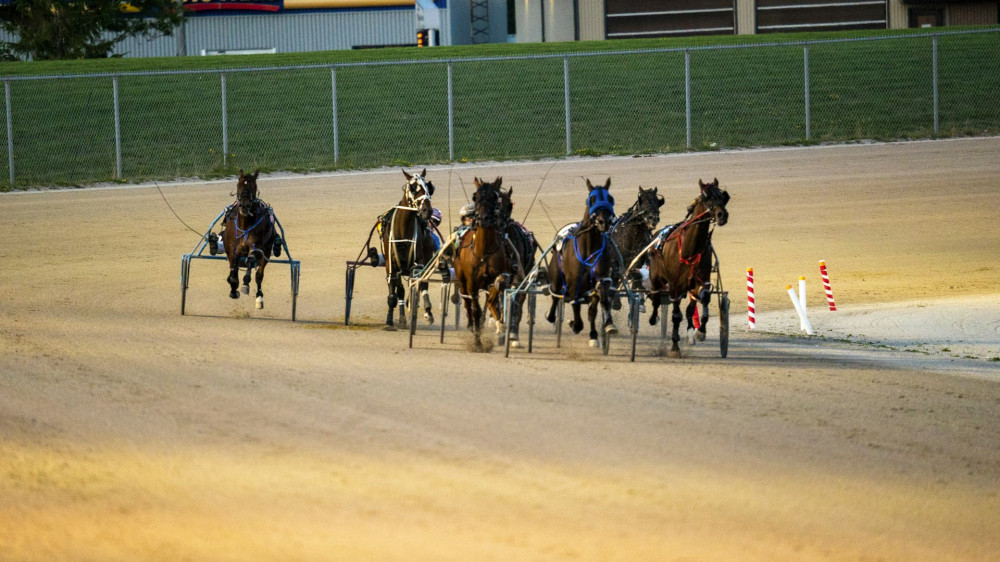
The post position is often the first thing trainers, drivers, and bettors look at when evaluating a race. In North American harness racing, horses starting from the inside posts (typically 1–3) have a shorter path to the rail, which can save valuable ground. However, those same inside posts can become a trap if the horse doesn’t leave the gate quickly enough and gets boxed in behind slower rivals.
Outside posts, on the other hand, require more effort early but can offer a clearer path and fewer traffic problems. Experienced drivers know how to make the most of their position—whether that means gunning for the lead, finding a good spot behind cover, or conserving energy for a late charge.
In standing starts or handicap races, where horses begin from staggered positions, the challenge becomes even more complex. Timing, temperament, and the driver’s ability to keep the horse calm and focused are crucial to getting away cleanly.
Læs også:
Knowing the Competition
No race is run in isolation. A driver must know the competition—both the horses and the other drivers. Some horses are known for explosive early speed, while others excel at closing strongly in the stretch. Likewise, some drivers are aggressive and like to control the pace, while others prefer to sit back and wait for the right moment.
By studying the tendencies of their rivals, a driver can plan accordingly. Should they try to seize the lead early, or is it wiser to let another horse do the work and strike late? Often, success depends on finding the right balance between patience and initiative.
The Horse’s Strengths and Condition
Even the best strategy can fall apart if the horse isn’t at its best. A skilled driver knows their horse inside and out—its temperament, stamina, and how it handles different track conditions. Some horses thrive when they can set the pace up front, while others perform better when they have a target to chase.
Track surface and weather also play a role. A deep, wet track demands strength and endurance, while a fast, dry surface favors quick acceleration. During warm-up, the driver gauges how the horse feels and adjusts the plan accordingly.
Pace and Positioning
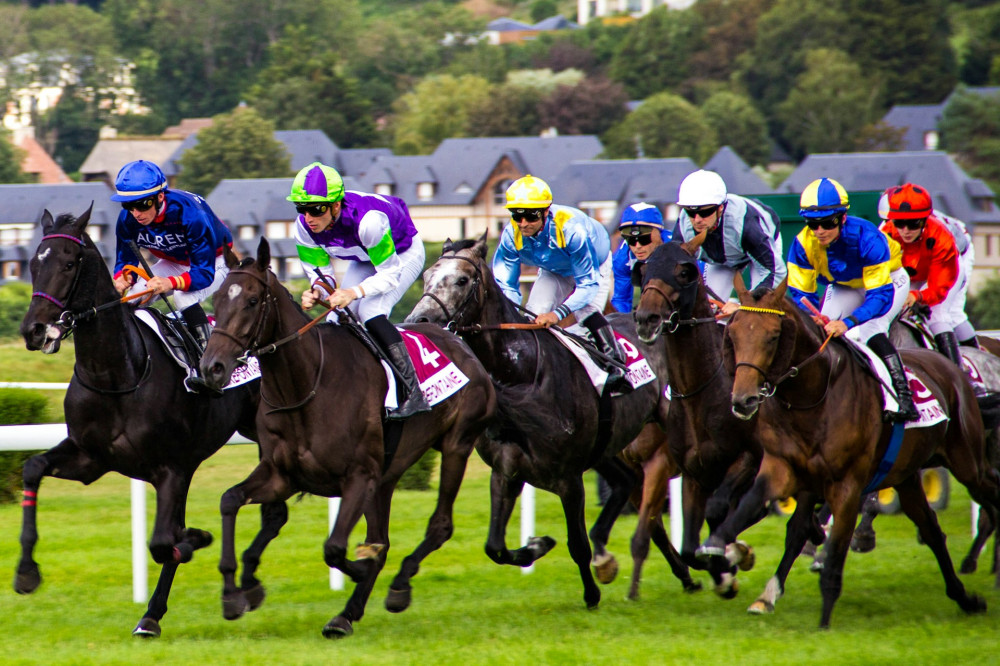
One of the most critical tactical elements in harness racing is pace. A race that starts too fast can drain a horse’s energy before the finish, while a slow early tempo can give closers from the backfield an advantage. The driver must constantly assess whether to push the pace, hold back, or move to the outside to avoid getting trapped.
Positioning is an art in itself. Sitting on the outside of the leader—known as “first-over” or “the death seat”—can be grueling but offers a clear path. Sitting behind cover saves energy but requires luck to find room in the stretch. The best drivers have an intuitive sense of when to move and when to wait.
Communication Between Horse and Driver
Even though the horse doesn’t understand words, there’s constant communication between horse and driver. Through the lines, voice, and subtle body movements, the driver guides the horse through every phase of the race. A calm hand can build confidence, while a small cue can trigger the burst of speed needed at just the right moment.
Experience makes all the difference. A driver who knows their horse well can sense when it’s ready to go and when it needs a breather. That instinct often separates the seasoned professionals from the newcomers.
Adapting Mid-Race – Reading the Flow
Even the best-laid plan can change in an instant. A break by another horse, a sudden move from a rival, or an unexpected pace can force a driver to rethink their approach on the fly. The ability to read the race as it unfolds and adapt quickly is what defines great drivers.
Some are known for their ice-cold patience—waiting until the final turn to make their move and timing the finish perfectly. Others prefer to take control early and dictate the race from the front. Both styles can win, as long as they’re executed with precision and awareness.
When Everything Comes Together
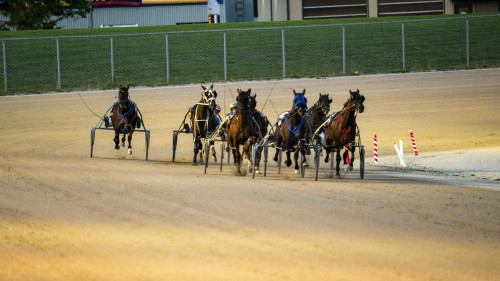
When horse, driver, and strategy align, the result can look effortless. The horse glides through the turns, the driver sits motionless in the sulky, and the crowd senses that this is a winning performance. But behind that apparent ease lie hours of preparation, analysis, and experience.
A harness race lasts only a few minutes, but the decisions that determine the outcome are made in fractions of a second. That’s what makes the sport so captivating—and why a driver’s strategy is every bit as important as the horse’s speed.
Læs også: