Overrated or Underrated? Learn to Spot Biases in Hockey Betting Markets


Overrated or Underrated? Learn to Spot Biases in Hockey Betting Markets
Hockey is one of the most unpredictable sports to bet on. A single power play, a hot goalie, or a lucky bounce can flip a game in seconds. That volatility makes hockey betting markets prone to small inefficiencies — and for sharp bettors, those inefficiencies can be opportunities. But how do you tell when a team is overrated or underrated? Here’s how to read the market with a more critical eye.
Understanding Market Psychology
Odds don’t just reflect statistical probabilities — they also reflect how the public is expected to bet. When a large number of people put money on a popular team, sportsbooks adjust the line downward, regardless of whether that team truly deserves to be the favorite. That means teams with big fan bases or strong brands often become overrated, while smaller-market or less glamorous teams can be underrated.
Take, for example, a matchup between the Chicago Blackhawks and a less-followed team like the Arizona Coyotes. Even if the stats suggest a close contest, public sentiment often leans toward the more recognizable franchise, creating potential value on the underdog.
Statistics Are Your Best Friend — If You Use Them Right
Spotting market biases requires digging deeper than the standings. Hockey is full of randomness, and win-loss records can be misleading. A team riding a five-game winning streak might have benefited from lucky deflections, favorable officiating, or opponents missing key players.
That’s why you should focus on underlying metrics such as:
- Expected goals (xG) – measures how many goals a team should have scored or allowed based on shot quality.
- Corsi and Fenwick – track shot attempts and puck possession, often better indicators of team strength than final scores.
- Special teams efficiency – power play and penalty kill percentages can fluctuate wildly; extreme numbers often regress toward the mean.
Combine these stats with context — travel schedules, back-to-back games, or motivation levels — to judge whether the odds truly reflect reality.
The Goalie Factor
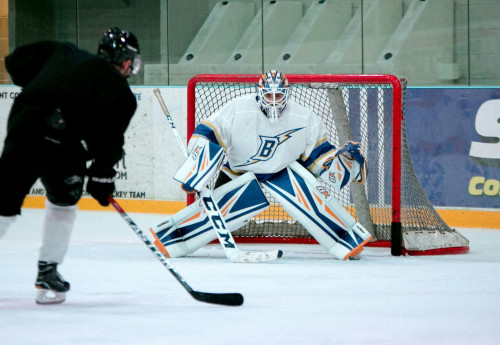
No position influences a hockey game more than the goaltender. A hot goalie can carry an average team, while a struggling one can sink even the best roster. Sportsbooks adjust lines based on starting goalies, but not always quickly enough.
Keep an eye on goalie rotations and back-to-back situations, when backup goalies are more likely to start. If the market hasn’t yet reacted to a lineup change, there may be value — especially in the early hours after lines are posted.
Læs også:



Emotion and Narrative Drive Market Biases
Fans — and bettors — love a good story. When a team wins big on national TV or a star player records a hat trick, the market often overreacts. The same happens when a team hits a losing streak and gets labeled as “in crisis.”
But in hockey, streaks are normal. A few bad games don’t necessarily mean a team is weak. If you can look past emotional narratives and stick to data, you’ll often find value where others see risk.
Compare the Odds
One of the most powerful tools for serious bettors is odds comparison. Different sportsbooks price games differently, and even small differences in odds can add up over time. Consistently finding the best price on undervalued teams increases your expected return.
Also pay attention to closing lines — the odds right before puck drop. If you regularly get better odds than the closing line, it’s a strong sign that your analysis is beating the market.
Think Long-Term — and Avoid the Traps
Even the best analysis can’t predict everything. Hockey is full of randomness, and short-term swings are inevitable. Success in betting isn’t about winning every wager — it’s about making decisions with positive expected value over time.
Don’t let emotions dictate your bets after a loss, and never chase losses. Stick to your strategy, track your results, and review your performance. Over time, that discipline helps you identify where your true edge lies.
From Luck to Insight
Spotting biases in hockey betting markets takes patience, data literacy, and a willingness to think differently. It’s not about guessing — it’s about assessing probabilities more accurately than the crowd. When you learn to look beyond headlines and focus on underlying trends, you’ll start finding value where others only see chance.
Læs også: