Adaptability: How to Assess a Hockey Team’s Ability to Respond During the Game

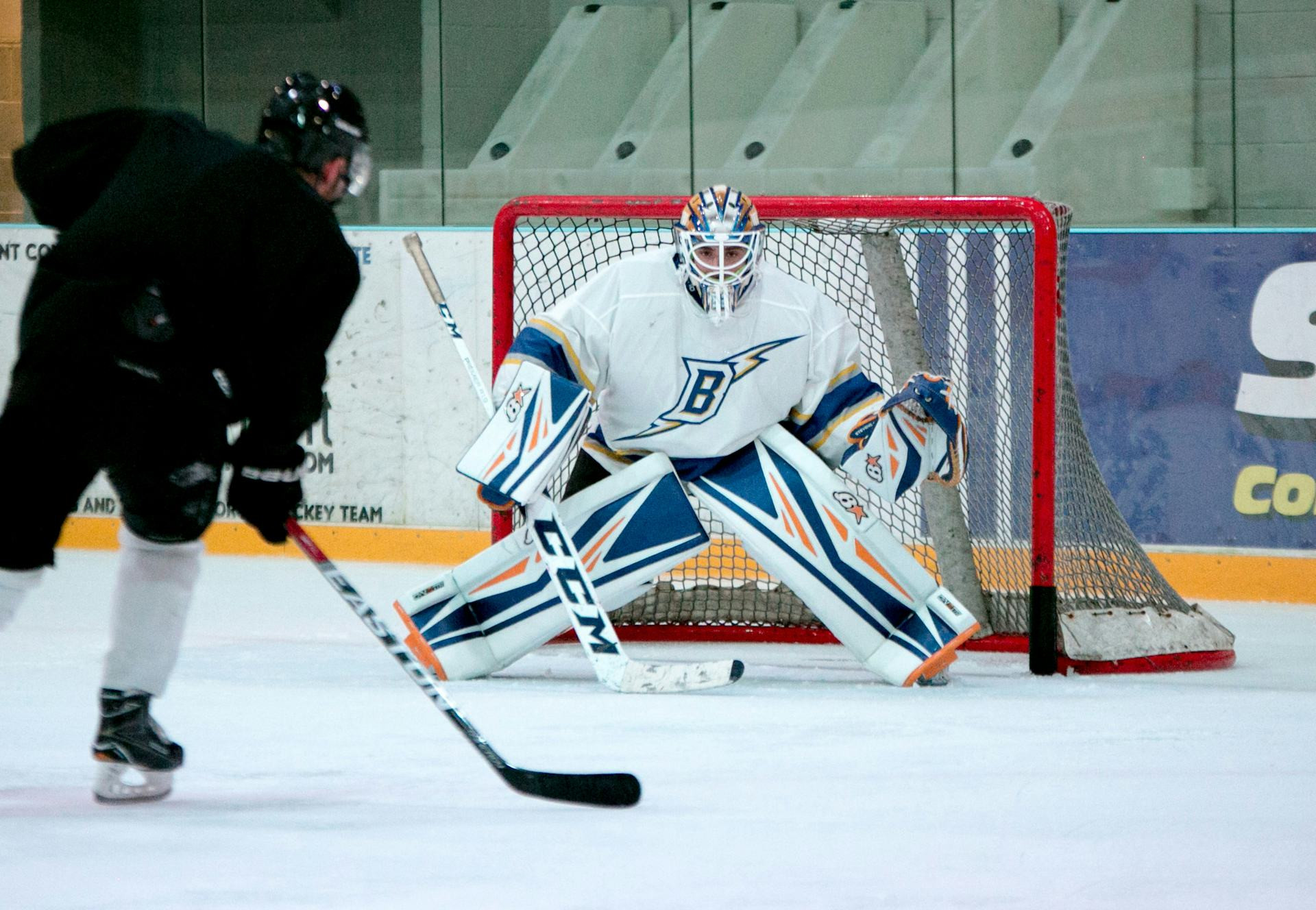
Adaptability: How to Assess a Hockey Team’s Ability to Respond During the Game
Hockey is a sport defined by speed, intensity, and constant change. A team can dominate one shift and be on its heels the next. That’s why adaptability—the ability to respond quickly and effectively to the flow of the game—is one of the most important traits of a successful team. But how can you actually evaluate a team’s adaptability in real time? Here’s a guide to what to look for when analyzing how a team reacts under pressure.
What Does Adaptability Mean in Hockey?
Adaptability is about how quickly and effectively a team can adjust its strategy, formation, or tempo when the opponent changes tactics. It might mean altering the forecheck, switching defensive pairings, or changing line combinations to spark new energy.
A highly adaptable team can:
- Transition smoothly between offensive and defensive structures.
- React to tactical shifts from the opponent.
- Stay composed after giving up a goal.
- Capitalize on momentum swings.
This ability often separates good teams from championship-caliber ones.
Læs også:

The Coach’s Role: Real-Time Adjustments
A coach’s ability to read the game and make timely adjustments is crucial. Some coaches are proactive—they tweak line matchups, power-play setups, or forechecking pressure before the opponent gains control. Others react only after the damage is done.
When assessing a team’s adaptability, pay attention to:
- Timeouts: Are they used strategically to reset momentum or just as a breather?
- Line changes: Does the coach adjust lines to counter the opponent’s strengths or exploit weaknesses?
- Tactical shifts: Does the team switch from aggressive forechecking to a more conservative defensive posture when needed?
A team that can change direction without losing structure usually has a coach who understands the rhythm of the game.
Players on the Ice: Communication and Decision-Making
Even the best strategy fails if players can’t execute it. Communication on the ice is key. Players who constantly talk, point, and adjust positions help each other react faster to changing situations.
Watch for:
- Reactions to turnovers: Do players recover quickly, or does confusion set in?
- Handling pressure: Do they stay calm when the opponent increases tempo?
- Adjusting to officiating: Teams that quickly adapt their physical play to the referee’s standard avoid unnecessary penalties.
These small details reveal how well a team thinks and acts as a unit.
Stats That Reveal Adaptability
While much of adaptability is visual and tactical, certain statistics can hint at how well a team adjusts during games.
- Goals scored shortly after conceding: Teams that respond quickly show mental toughness and resilience.
- Third-period performance: Teams that dominate late often have strong conditioning and tactical flexibility.
- Special teams improvement: Power play and penalty kill units that get better as the game progresses suggest smart in-game coaching adjustments.
These numbers can be useful for analysts, scouts, or fans looking to understand a team’s in-game evolution.
Mental Toughness – The Hidden Factor
Adaptability isn’t just tactical—it’s psychological. A team that stays focused after a bad shift or a questionable call has a mental edge. The best teams don’t dwell on mistakes; they use adversity as motivation.
Mental toughness shows up in:
- The ability to rally from behind.
- Consistency in high-pressure moments, such as penalty kills or final minutes.
- Team unity—players supporting each other when things go wrong.
How to Evaluate a Team’s Responsiveness in Practice
When watching a game, use these questions as a checklist:
- How does the team respond after giving up a goal?
- Do they adjust their play during power plays or penalty kills?
- Is there clear communication among players?
- Do they improve as the game goes on, or repeat the same mistakes?
The more positive answers you find, the more adaptable the team likely is.
Conclusion: Adaptability as a Winning Trait
Hockey is a game of thin margins and rapid momentum shifts. A team’s ability to adapt—tactically, physically, and mentally—can be the difference between winning and losing. When evaluating a team, don’t just focus on star players or stats. Watch how the entire group reacts when the game changes. That’s where true winners reveal themselves.
Læs også: