Weather and Season: Factors That Influence the Outcome of Bicycle Races

Weather and Season: Factors That Influence the Outcome of Bicycle Races
When cyclists roll onto the course, it’s not just their legs that decide who wins. Weather and season play a much bigger role than many realize. Wind, temperature, humidity, and even air quality can affect performance, tactics, and equipment choices. In this article, we’ll explore how nature’s conditions shape the outcome of races across the United States—from the spring classics in California to the humid summer stages in the South.
Spring: Rain, Wind, and Unpredictable Conditions
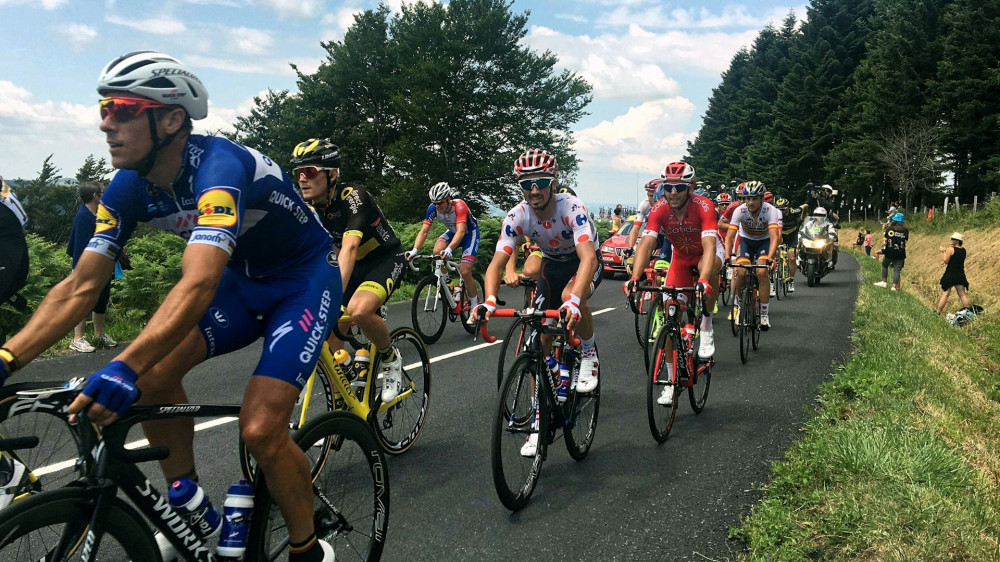
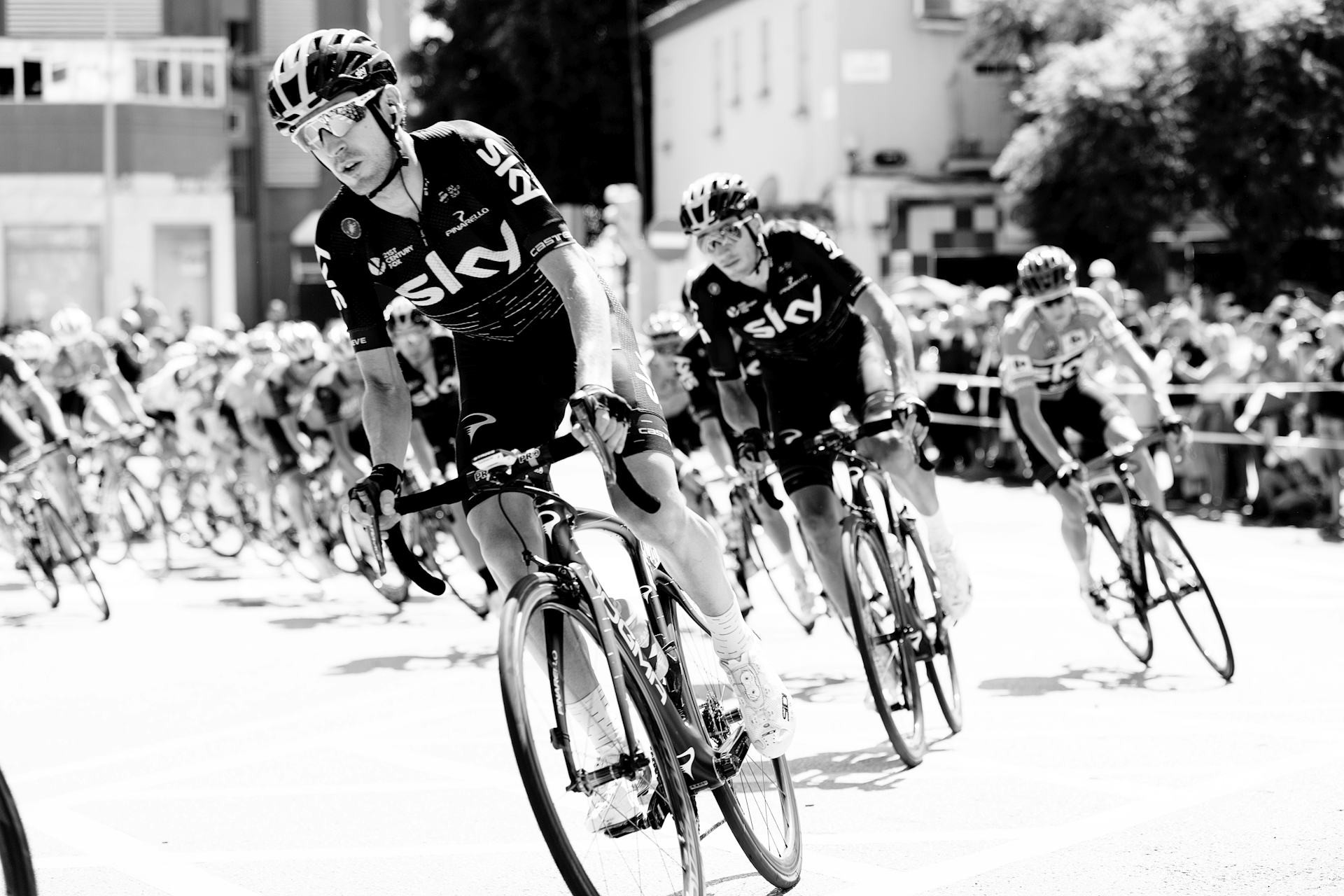
Spring racing in the U.S. often means dealing with unpredictable weather. Events like the Tour of the Gila in New Mexico or the Redlands Bicycle Classic in California can see everything from chilly mornings to warm afternoons. Sudden rain showers can turn descents into slippery challenges, while gusty winds across open desert roads can split the peloton into echelons.
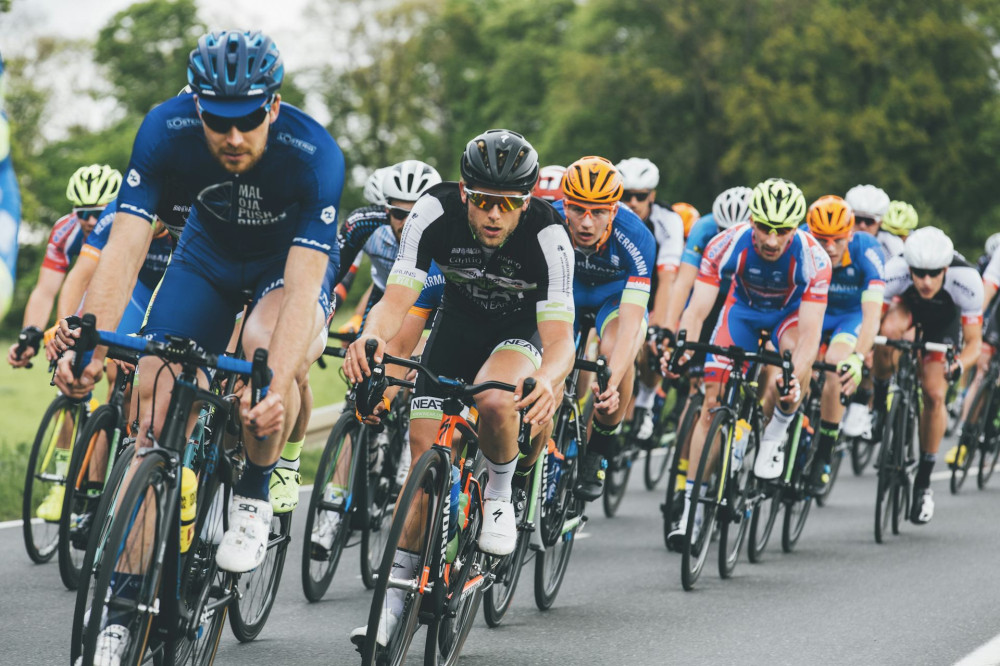
Cold temperatures make muscles less efficient, and riders must carefully manage their clothing layers to stay warm without overheating. Wind direction becomes a tactical factor—teams that position themselves well in crosswinds can gain valuable time, while those caught off guard may lose contact with the front group.
Summer: Heat, Humidity, and Endurance
As summer arrives, the challenges shift dramatically. Races in the southern and central states, such as the USA Cycling Pro Road Championships in Tennessee or the Tour of Utah, often take place in extreme heat. Temperatures can soar above 95°F, and humidity adds another layer of difficulty.
In these conditions, hydration and cooling strategies are critical. Teams plan where riders can grab cold bottles, ice socks, and electrolyte mixes. Even small mistakes in fluid intake can lead to dehydration and a sharp drop in performance. Tire pressure and road grip also change with heat, so mechanics adjust equipment daily to match the conditions.
Fall: Cooler Air and Technical Racing
Autumn brings a mix of crisp air and unpredictable weather. Races like the Maryland Cycling Classic or the Vermont Gran Fondo often feature cooler temperatures and damp roads. Fallen leaves can make corners slick, and early morning fog can reduce visibility on descents.
For riders, fall racing demands mental focus and adaptability. The season is long, fatigue has set in, and weather conditions can change within minutes. Layering becomes an art—too much clothing can cause overheating on climbs, while too little can lead to chills on descents. The ability to read the weather and adjust quickly often separates the winners from the rest.
Winter: Training Through the Cold
While few major road races take place in winter, the season is crucial for preparation. In colder regions, snow and ice make outdoor training difficult, pushing many cyclists indoors to smart trainers and virtual platforms. Others head to warmer states like Arizona, California, or Florida for training camps.
Winter training focuses on building endurance and strength rather than speed. However, cold weather still poses challenges—riders must protect themselves from illness and maintain motivation during long, dark months. The foundation built in winter often determines how well a rider performs when racing resumes in spring.
Læs også:

The Power of the Wind
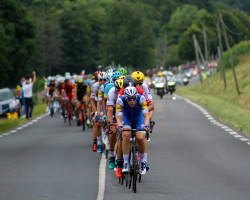
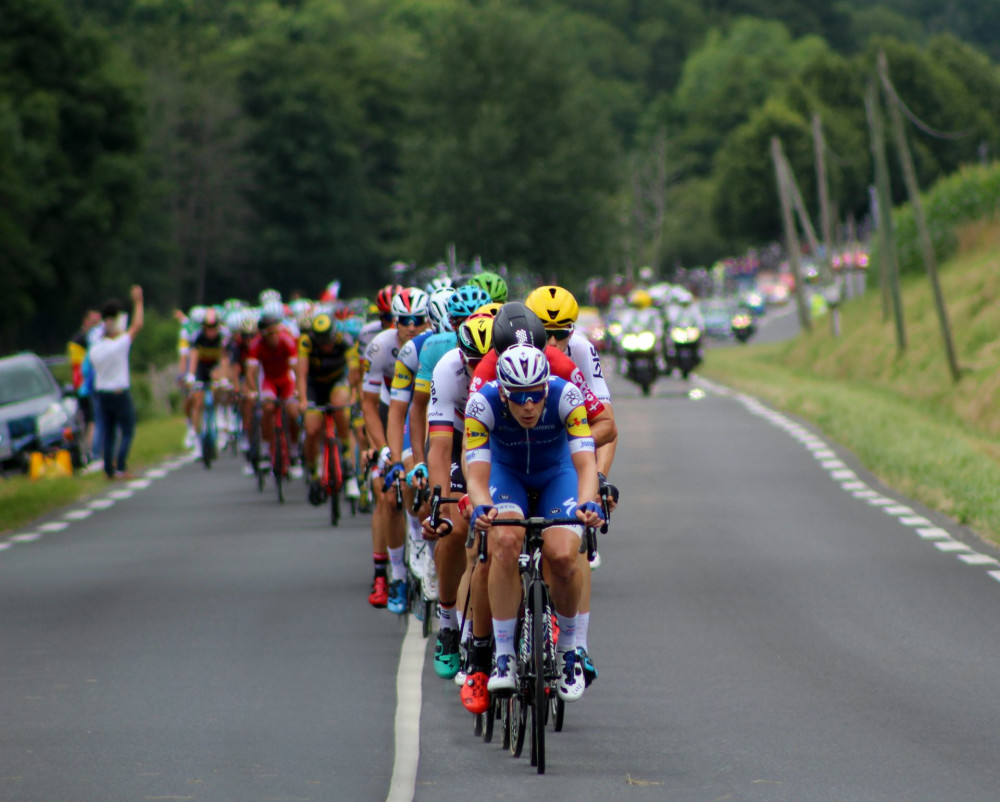
No matter the season, wind remains one of the most decisive elements in cycling. A strong headwind can double the effort required to maintain speed, while a tailwind can lead to record-breaking times. Crosswinds, however, are the most tactically significant—they can split the peloton into small groups, rewarding those who are alert and well-positioned.
Teams now use detailed weather forecasts and wind maps to plan their strategies. In flat races across the Midwest or coastal regions, wind direction can determine whether a race ends in a sprint or a solo breakaway.
When Nature Decides the Winner
Cycling is, at its core, a contest between human endurance, mechanical precision, and the forces of nature. Weather can change everything—from tire choice and pacing strategy to a rider’s mental state. A sudden downpour can turn a race upside down, and a heatwave can drain even the strongest athletes.
For racers, coaches, and fans alike, understanding how weather and season influence performance adds a deeper appreciation for the sport. In cycling, the forecast can be just as important as the form chart—and sometimes, the sky itself decides who crosses the finish line first.
Læs også: