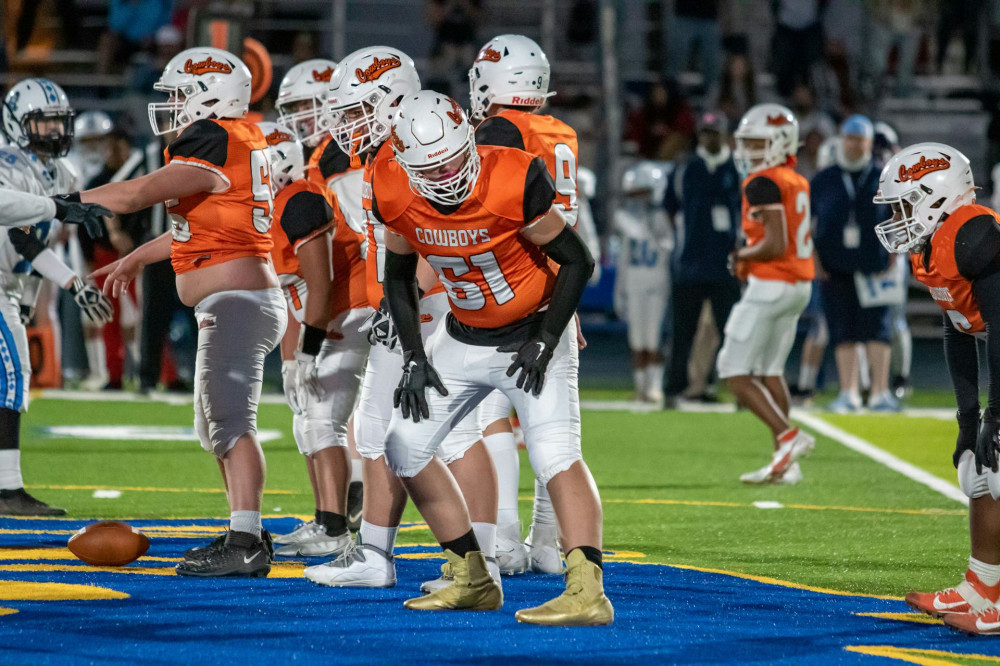
Use Seasonal Trends to Analyze Team Development and Stability


Use Seasonal Trends to Analyze Team Development and Stability
When following a sports league across an entire season, it’s easy to get caught up in individual games — the wins, losses, and highlight moments. But to truly understand how a team is developing, you need to look beyond single results and focus on broader patterns. Seasonal trends reveal a team’s stability, form, and ability to adapt to challenges. This long-term perspective separates the casual fan from the strategic analyst — and it can provide valuable insights for anyone interested in sports forecasting or betting.
What Is a Seasonal Trend?
A seasonal trend describes how a team’s performance changes over time. It can involve anything from scoring averages and defensive efficiency to injury frequency and home-field advantage. By tracking performance week by week, you can identify patterns that aren’t visible in isolated results.
For example, a team might start the season strong but gradually decline as opponents learn to counter their tactics. Another team might begin slowly but show steady improvement as new players settle in or a coach’s system starts to click.
Stability as the Key to Success
Stability often separates two teams with similar talent levels. A stable team performs consistently, regardless of whether it faces top contenders or bottom-ranked opponents, and whether it plays at home or on the road. Unstable teams, on the other hand, can swing wildly — beating the best one week and losing badly the next.
By analyzing seasonal trends, you can assess how stable a team really is. A team that consistently holds opponents below a certain scoring threshold demonstrates defensive stability. Another that maintains steady offensive production regardless of opponent shows offensive reliability. These patterns often tell you more than the current standings do.
Læs også:



How to Identify Trends
There are many ways to uncover seasonal trends, but some of the most effective methods include:
- Averages over time: Calculate averages for points, yards, goals, or other key metrics across multiple games. This smooths out random fluctuations.
- Form curves: Look at the last five to ten games to see whether the team’s performance is trending upward or downward.
- League comparison: Always view a team’s progress in the context of the league. An improvement may be less impressive if overall scoring is up across the board.
- Injuries and rotation: Track how the team performs when key players are missing. This reveals depth and tactical flexibility.
Combining these methods gives a more nuanced picture of where a team stands — and where it’s likely headed.
The Rhythm of the Season and Psychological Factors
A season isn’t just a string of games; it has its own rhythm. Early on, teams focus on finding form. Midseason is about maintaining momentum. Late in the season, the challenge becomes managing pressure and fatigue. Teams that can sustain focus and energy throughout show mental toughness — an often-overlooked factor in performance analysis.
A coach’s ability to motivate, rotate players, and adjust tactics plays a major role. A team that peaks too early may burn out, while one that builds gradually can hit its stride in the playoffs. Understanding this rhythm is essential to evaluating a team’s true potential.
Using Data in Practice
Today, data analysis is an integral part of sports. By combining statistical models with on-field observations, analysts can detect trends that aren’t immediately obvious. For instance, a drop in turnovers or an increase in third-down efficiency might signal growing stability even before the results reflect it.
For those interested in sports betting, such insights can be invaluable. It’s not about predicting the unpredictable, but about understanding probabilities better than the average bettor. A team showing a steady positive trend is often a safer pick than one relying on sporadic peak performances.
From Statistics to Understanding
Ultimately, seasonal trends are about seeing the bigger picture. Statistics can tell you a lot, but they must always be interpreted in context. A team that loses three straight games isn’t necessarily in crisis — maybe they faced the league’s top contenders on the road. Conversely, a winning streak might mask weaknesses if the competition was weak.
By combining numbers, observation, and an understanding of the game’s dynamics, you can form a realistic view of where a team stands. That holistic perspective is what makes seasonal trend analysis one of the most valuable tools in modern sports analysis.
Læs også: