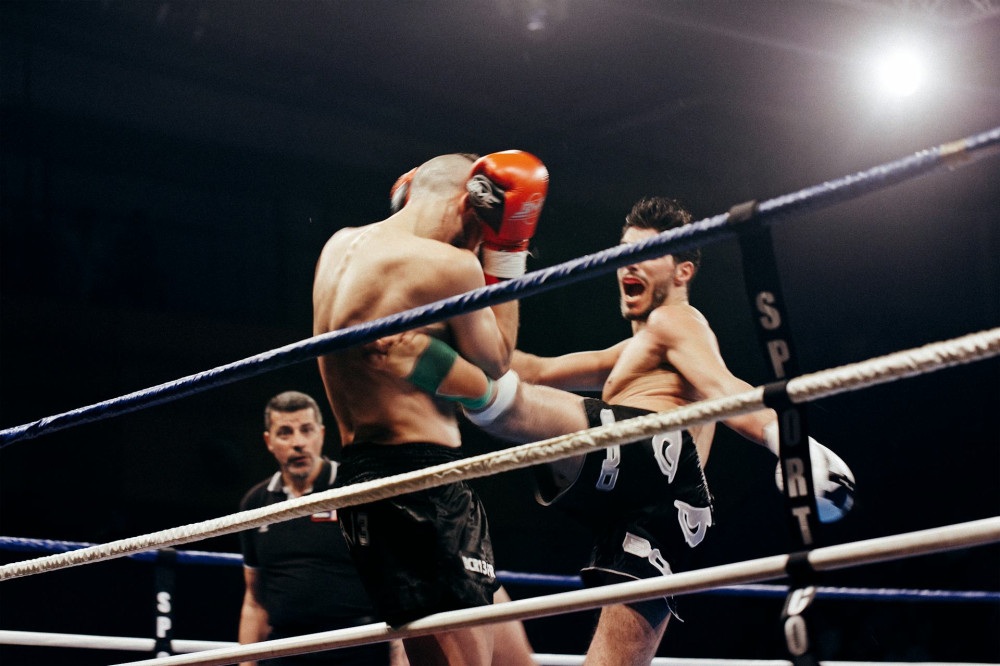
Home Advantage and the Crowd: Factors That Can Influence Boxing Odds


Home Advantage and the Crowd: Factors That Can Influence Boxing Odds
When two fighters step into the ring, it’s not just their skill, power, and strategy that determine the outcome. The environment can play a role too—especially when one boxer is fighting on home turf. The crowd, the atmosphere, and subtle psychological factors can all influence both performance and the odds set by bookmakers. But how significant is home advantage in boxing, and how can it affect your perspective if you’re interested in sports betting?
What Does Home Advantage Mean in Boxing?
In team sports like basketball or football, home advantage is well-documented. In boxing, it’s more nuanced—but still real. A fighter competing in their own country, or even their hometown, often benefits from several factors:
- Familiar surroundings – the local boxer is used to the time zone, climate, and possibly even the venue itself.
- Crowd support – thousands of cheering fans can provide a mental boost and increase confidence.
- Judging bias – in close fights, the home boxer may sometimes get the benefit of the doubt, especially in decisions that go to the scorecards.
Even though boxing is an individual sport, home advantage can create a psychological imbalance that affects both the fight’s flow and the bookmaker’s assessment.
The Crowd Effect: When Noise Becomes a Factor
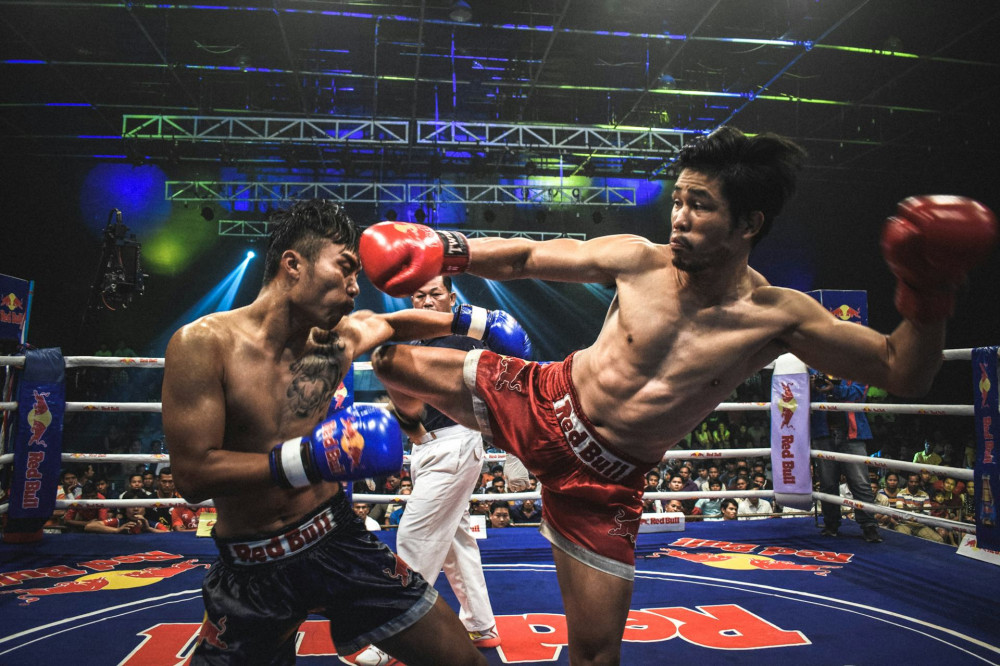
The crowd can be a decisive part of a fight’s dynamics. A loud, partisan audience can rattle an opponent—especially one unaccustomed to hostile environments. That pressure can lead to stress, fatigue, and tactical mistakes.
On the other hand, the crowd can also be a double-edged sword for the home fighter. Expectations can create pressure, particularly in high-stakes bouts. Some boxers thrive under the spotlight, while others struggle with the weight of expectation.
For oddsmakers and bettors, it’s worth considering how each fighter responds to the crowd. A seasoned world champion is unlikely to be fazed by boos, while a young local prospect might draw extra energy from the home support.
Judges, Perception, and the Margins That Matter
Many boxing matches are decided on points, and perception can play a role. Studies and analyses have shown that judges—consciously or not—can be influenced by crowd reactions. When the home fighter lands a punch, the crowd erupts; when the opponent scores, the arena often falls silent. That imbalance in feedback can subtly shape how rounds are scored.
Bookmakers account for this by slightly adjusting odds in favor of the home fighter, especially in bouts expected to be close. For bettors, it’s worth asking whether the odds truly reflect the fighters’ abilities—or whether home advantage is being overvalued.
Travel, Jet Lag, and Preparation
Another often-overlooked factor is logistics. A boxer traveling long distances may be affected by time zone changes, diet adjustments, and unfamiliar surroundings. These disruptions can interfere with sleep and recovery in the days leading up to the fight. The home fighter, meanwhile, can train in familiar conditions and arrive well-rested and acclimated.
In major title fights, where boxers travel across continents, this can be a significant factor. It’s no coincidence that promoters often try to secure home fights for their stars—it can be the difference between victory and defeat.
Læs også:


How Does It Affect the Odds?
Bookmakers analyze a wide range of variables when setting odds: form, past results, fighting style, age—and, of course, home advantage. If a bout takes place in one fighter’s home country, the odds will often reflect an expectation that they hold a slight edge.
But for bettors, there’s potential value in identifying when that edge is misjudged. A veteran fighter accustomed to competing abroad might be underrated, while a local favorite with limited international experience could be overvalued.
A Matter of Psychology and Context
Ultimately, home advantage in boxing is about psychology and context. It’s not a guarantee of victory, but it can tip the balance in a close fight. For fans and bettors alike, understanding how the environment influences performance can provide a deeper appreciation of the sport—and perhaps even an edge when evaluating the odds.
Next time you watch a fight, pay attention to how the crowd reacts, how the fighters handle the pressure, and how the judges score the rounds. It might give you a clearer picture of why the odds look the way they do—and a better sense of what truly shapes the outcome inside the ring.
Læs også: